


-
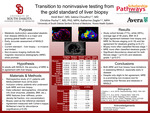
Transition to Noninvasive Testing from the Gold Standard of Liver Biopsy
Heidi Bien, Sabina Choudhry, Christine Pocha, and University of South Dakota Sanford School of Medicine & Avera Health System
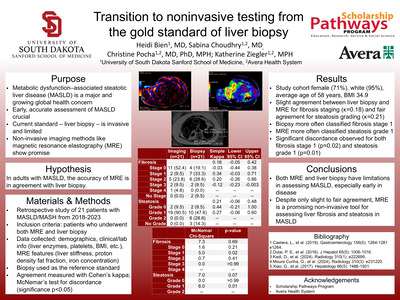
Purpose: Metabolic dysfunction–associated steatotic liver disease (MASLD), formerly known as non-alcoholic fatty liver disease, represents a rapidly growing public health concern, affecting roughly 30% of the global population. MASLD encompasses a spectrum from simple steatosis to its more progressive form, metabolic dysfunction–associated steatohepatitis (MASH). Early and accurate assessment of liver disease is critical for risk stratification and management, yet the current gold standard-liver biopsy remains invasive, costly, and limited by sampling variability and interpretive subjectivity. Noninvasive imaging modalities, particularly magnetic resonance elastography (MRE), have emerged as promising alternatives, but their concordance with biopsy in real-world clinical practice remains underexplored.
Methods: This retrospective study analyzed medical records from 21 patients treated at a hospital system in the Upper Midwest region of South Dakota between 2018 and 2023. Eligible patients had a diagnosis of MASLD or MASH and underwent both liver biopsy and MRE. Demographic and clinical data, including age, sex, race, BMI, diabetes status, and laboratory biomarkers (liver enzymes, platelets, APRI, albumin), were abstracted. Imaging data included liver stiffness, iron concentration, and proton density fat fraction. Liver biopsy results for fibrosis and steatosis served as the reference standard. Statistical analysis included descriptive statistics, Cohen’s kappa to assess agreement, and McNemar’s test for discordance, with significance set at p< 0.05.
Results: The study cohort was predominantly female (71%), white (95%), non-Hispanic (100%), with a mean age of 57.7 years and mean BMI of 34.9. Slight agreement was observed between liver biopsy and imaging for fibrosis staging (κ=0.18), and fair agreement for steatosis grading (κ=0.21). Moderate agreement was found for steatosis grade 0 (κ=0.44), and fair agreement for fibrosis stage 1 (κ=0.34). Notably, biopsy more frequently assigned fibrosis stage 1, while imaging more often graded steatosis as grade 1. McNemar’s test revealed significant discordance for fibrosis stage 1 (p=0.025) and steatosis grade 1 (p=0.014), indicating systematic differences in classification between modalities.
Conclusions: These findings highlight the limitations of both liver biopsy and MRE in assessing MASLD, particularly in early-stage disease. Although MRE and MRI-based biomarkers offer noninvasive, reproducible, and comprehensive liver evaluation, their concordance with histopathological findings remains only slight to fair. This limited agreement stems from biopsy sampling and interpretive variability, along with technical and biological factors affecting imaging. Nevertheless, MRE’s safety, comfort, and repeatability support its growing role in MASLD evaluation, especially for monitoring over time.
-
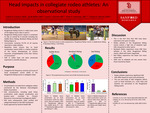
Head Impacts in Collegiate Rodeo Athletes: An Observational Study
Colton D. Carlson, Jacob Miller, Jason C. Dorman, Verle D. Valentine, and Thayne A. Munce
Head Acceleration Events in Collegiate Rodeo Athletes
Colton Carlson, MS4
Mentor: Thayne Munce, PhD
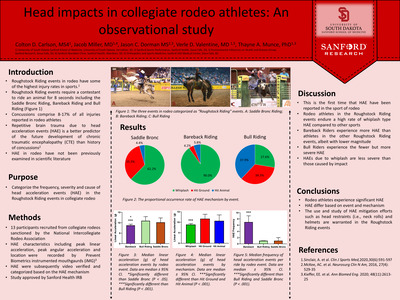
Introduction: Brain health has been a growing concern across a wide range of contact sports in the last three decades. While most of the early brain health research was focused on identifying and preventing concussions, newer research has found that an accumulation of repetitive head impacts (RHI) is more predictive of long-term brain health than the number of concussions sustained. Consequently, being able to assess RHI in sports despite the lack of outward symptoms has become paramount in promoting the long-term health of athletes. While the sport of rodeo has long been regarded as one of the most dangerous sports in America, minimal research has been done in the sport regarding athlete safety. Current studies on rodeo are limited to minimal epidemiological research on injury rates that has largely backed up its dangerous reputation. Despite this, no further research has been done into head impacts in rodeo athletes.
Methods: Thirteen athletes competing in the “Roughstock” events of Bareback Riding, Saddle Bronc Riding and Bull Riding were recorded across five rodeo competitions sanctioned by the National Intercollegiate Rodeo Association. Head acceleration events (HAE) were measured using an instrumented mouthguard (iMG) (Prevent Biometrics, Inc; Edina, MN) consisting of a triaxial accelerometer and gyroscope housed within a rubber mouthguard. The iMG recorded information including peak linear acceleration, peak angular acceleration and location of HAE. HAE were included if they exceeded a 5 g linear acceleration threshold. All rides were videoed, and all included HAE were subsequently video verified and categorized based on mechanism of HAE.
Results: A total of 112 rides were monitored across five collegiate rodeo competitions capturing 344 HAE. Bareback Riding (7 [4-10] HAE/ride) experienced a significantly higher (p < 0.001) median frequency of HAE than the other two events (1 [0-2] HAE/ride for each) however, median peak linear acceleration was significantly lower (p < 0.01) in Bareback Riding (8.7 [6.6-11.1] g) compared to Bull Riding (10.7 [8.4-15.5] g) and Saddle Bronc Riding (10.2 [8.9-13.9] g). Bull Riding and Saddle Bronc Riding HAE frequency and median peak linear acceleration were comparable to each other. Whiplash was the most common cause of HAE across events, outpacing direct caused of HAE such as impacts with the animal or impacts with the ground. Whiplash (8.9 [6.6-11.1] g) however resulted in a significantly lower (p < 0.001) median peak linear acceleration than impacts with the animal (10.7 [8.7-20.1] g) or impacts with the ground (11.4 [8.7-15.8] g).
Conclusions: Rodeo athletes across the Roughstock Events experience significant HAE throughout the course of competition. Athletes in Bareback Riding tend to experience a high volume of load magnitude HAE while athletes in Saddle Bronc Riding and Bull Riding experience fewer, higher magnitude HAE. Much of the HAE load is the result of whiplash type injury as opposed to direct impacts to the head which suggests that whiplash reducing measures such as neck rolls may be an option to reduce cumulative HAE load on athletes. Direct head impacts however still result in the highest magnitude HAE confirming the utility of helmets in athlete safety.
-
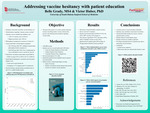
Addressing Vaccine Hesitancy with Patient Education
Belle Grady and Victor Huber
Addressing Vaccine Hesitancy with Patient Education
Belle Grady, MD | Mentor: Victor Huber, PhD
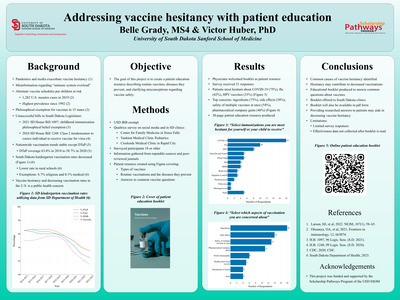
Background: Vaccine hesitancy is a complex global issue, exacerbated by pandemics and social media. In addition to hesitancy, state policies loosening childhood vaccine requirements and alternative vaccination schedules may contribute to recent vaccine-preventable illness outbreaks in the United States. In South Dakota alone, kindergarten vaccination rates have gradually declined over the past decade. Such vaccine hesitancy and decreasing vaccination rates is a public health concern and must be addressed. Accessible patient education resources on the topic are necessary to increase vaccination rates.
Project Description: This project consisted of three phases: a survey, information gathering, and booklet synthesis. A Qualtrics survey regarding vaccine hesitancy was posted on social media and in three South Dakota medical clinics to gather information on which vaccines and which aspects of vaccination patients were most concerned about. Guided by the survey results, information from reputable sources and peer-reviewed articles was gathered and utilized to create a patient education booklet for distribution in medical clinics. This project was IRB exempt.
Outcomes: The survey received 31 responses. According to survey participants, top vaccination concerns include ingredients, side effects, safety of receiving multiple vaccines at once, and pharmaceutical company gains. Vaccines participants feel most hesitant to receive or give their children are COVID-19, influenza, and HPV vaccines. The final 30-page patient education resource covered topics such as types of vaccinations, information on each routine childhood vaccine, the diseases vaccines protect against, and answers to common questions regarding vaccines. Local family medicine physicians and pediatricians welcomed the booklet as a resource for their patients.
Conclusion: This project has identified common causes of vaccine hesitancy in South Dakota which may be contributing to decreasing vaccination rates. An educational booklet containing information on routine vaccinations was produced to be distributed in South Dakota clinics. The goal of this resource is to increase vaccine confidence as well as decrease time spent discussing vaccine concerns during patient visits. The booklet will be available in print and pdf form. Although patient responses will not be collected after reading the resource, the information in the booklet provides answers to commonly asked questions about vaccines to decrease vaccine hesitancy.
-
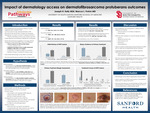
Impact of Dermatology Access on Dermatofibrosarcoma Protuberans Outcomes
Joseph H. Kelly and Marcus L. Frohm
Impact of Dermatology Access on Dermatofibrosarcoma Protuberans Outcomes
Joseph H. Kelly MD
Mentor: Marcus L. Frohm, MD
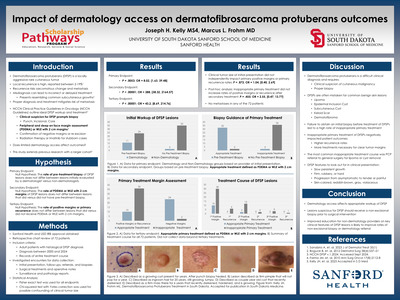
Introduction: Dermatofibrosarcoma protuberans is a locally aggressive rare dermal sarcoma with a relatively high rate of local recurrence. Incidence in the United States has been reported around 4 occurrences per million people per year, and recurrence rates have been reported between 2 to 19%. Recurrence poses a higher risk for sarcomatous transformation, increasing the risk for metastasis. Early and accurate diagnosis, coupled with appropriate management, is essential to minimize these risks. This study extended previous research by evaluating whether access to dermatology care influences dermatofibrosarcoma protuberans treatment outcomes in a larger cohort and larger geographical area.
Methods: This study was a retrospective review currently including 72 adults with histologically confirmed dermatofibrosarcoma protuberans. The first endpoint null hypothesis states the rate of pre-treatment biopsy does not differ between dermatology and non-dermatology providers. The second endpoint null hypothesis states the rate of peripheral and deep en face margin assessment or wide local excision with at least 2 cm margins does not differ between lesions with and without pre-treatment biopsy. The third endpoint null hypothesis states the rate of positive margins or primary recurrence does not differ between lesions with and without peripheral and deep en face margin assessment or wide local excision with 2 cm margins. The fisher exact test and chi-squared test with Yates correction were used in analysis.
Results: For all three endpoints, the data rejected the null hypothesis. Dermatologists had a higher rate of pre-treatment biopsy (P=.0053; OR=8.02[1.63,39.48]). Lesions with a pre-treatment biopsy had a higher rate of peripheral and deep en face margin assessment or wide local excision with at least 2 cm margins (P< .00001; OR=288[38.72, 2164.57]). Lesions that received peripheral and deep en face margin assessment or wide local excision with 2 cm margins had a lower rate of positive margins or recurrence (P< .00001; OR=39.6[8.69, 214.76]). Clinical tumor size did not independently impact endpoint 2 (P=.872; OR=1.04[0.40, 2.69]). Post-hoc analysis showed inappropriate primary treatment did not influence positive margins or recurrence after appropriate secondary treatment (P=.455; OR=2.55[0.47, 13.77]).
Conclusion: These findings support previous analysis of these endpoints with smaller sample sizes. Unlike previous results, this study suggests that access to dermatology affects the rates of pre-treatment biopsy on initial presentation. This study supports previous conclusions that diagnostic biopsy performed prior to treatment improves outcomes and decreases morbidity. Increased clinical awareness and appropriate biopsy or referral to dermatology for evaluation are recommended for suspicious lesions to improve the management of dermatofibrosarcoma protuberans.
-
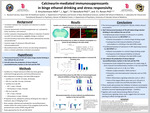
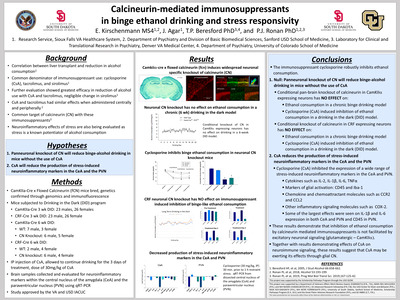
Calcineurin-Mediated Immunosuppressants in Binge Ethanol Drinking and Stress Responsivity
E. Kirschenmann, J. Agar, T. P. Beresford, and P. J. Ronan
Calcineurin-Mediated Immunosuppressants in Binge Ethanol Drinking and Stress Responsivity
Emily Kirschenmann MD | Patrick J. Ronan PhD
Introduction: Previous research has found that the calcineurin-mediated immunosuppressants cyclosporine A (CsA) and tacrolimus inhibit binge alcohol drinking in mice. Further research has shown that this effect is mediated directly in brain, as intracerebroventricular administration also significantly decreases drinking. As these immunosuppressants have severe systemic toxic effects along with dangerous inhibition of immune function, our goal is to determine proximal mechanisms by which these immunosuppressants are working in order to develop effective treatments for alcohol use disorder (AUD) with fewer side effects. One major question is whether immunosuppressants are acting through neuronal signaling pathways, regulating reward and stress/anxiety pathways, or in glia, mediating neuroinflammatory effects.
Methods: This study employs genomic, molecular, transcriptomic, metabolomic, anatomic, and behavioral approaches to explore the relationship between binge alcohol drinking, stress, and calcineurin mediated immunosuppressants. Calcineurin is a somewhat ubiquitous phosphatase, involved in a wide range of signaling pathways - both in neurons and glia. The authors developed multiple transgenic models using a floxed calcineurin line (C57BL/6-Ppp3r1tm1Stl/J) crossed with various Cre driver lines to knockout CN in various neuronal or glial populations. Results are presented from two neuronal CN knockout lines: a “panneuronal” CN knockout line (CamKIIα-Cre) and a corticotropin releasing factor specific CN knockout line (CRH-Cre). The authors are also investigating the effects of CsA on candidate brain signaling pathways in models of both binge drinking and stress, as stress is a primary factor driving drinking behaviors. The CeA and PVN were microdissected from 300 mm frozen sections and qRT-PCR was performed.
Results: Panneuronal knockout of CN appeared to have minimal effect on binge-alcohol consumption in this study. Furthermore, CsA showed reduction in alcohol consumption in both control and CN neuronal knockout populations. Overall, CsA inhibited the stress-induced expression of a wide range of neuroinflammatory markers in these regions including cytokines such as IL-2, IL-1b, IL-6, TNFa; markers of glial activation: CD45 and Iba-1; chemokine and chemoattractant molecules such as CCR2 and CCL2; as well as other inflammatory signaling molecules such as COX-2. Some of the largest effects were seen on IL-1b and IL-6 expression in both CeA and PVN. While CsA inhibited the expression of CD45 and iba1 in the CeA, in the PVN these effects were striking.
Conclusion: These findings indicate that neuronal calcineurin is not a major contributor to binge-like alcohol consumption, as panneuronal CN deletion did not alter drinking behavior and CsA remained effective in its absence. In contrast, CsA robustly suppressed stress-induced neuroinflammatory signaling, including cytokine induction and glial activation markers, in key stress- and reward-related nuclei. Together, these results support a model in which calcineurin-mediated immunosuppressants reduce binge ethanol intake primarily through glial-dependent neuroimmune mechanisms rather than neuronal CN signaling, highlighting glial pathways as promising therapeutic targets for AUD with fewer systemic side effects.
-
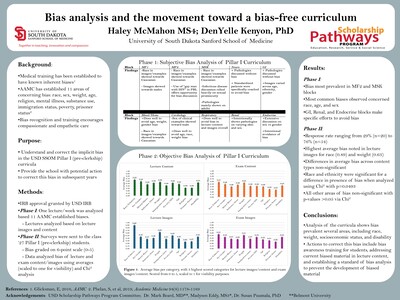
Bias Analysis and the Movement Toward A Bias-Free Curriculum
Haley J. McMahon and DenYelle Kenyon
Implicit biases within medical education can influence learners’ perceptions, clinical reasoning, and future patient interactions. This study analyzed implicit bias within the University of South Dakota Sanford School of Medicine’s (USD SSOM) Pillar I pre‑clerkship curriculum using a two‑phase mixed‑methods approach. Phase I consisted of a subjective content analysis of randomly selected lectures across ten system blocks, examining both textual and visual materials for evidence of bias in eleven domains identified by the Association of American Medical Colleges. Phase II employed quantitative survey data from the MD Class of 2027, who rated perceived bias in lecture content, lecture images, exam content, and exam images across the same eleven categories. Subjective review revealed recurring patterns of racial and ethnic bias, particularly through overrepresentation of pathologies presented on Caucasian skin and limited diversity in clinical examples. Survey findings showed low mean bias ratings overall, though race, weight, and socioeconomic status emerged most consistently across content types. Chi‑square analysis identified race and ethnicity as the only bias domain demonstrating a statistically significant difference across content modalities (p = 0.0493). Students additionally noted that diversity dialogues were effective in raising awareness of bias within medical instruction. Recommendations include diversifying imagery, varying patient demographics in clinical vignettes, incorporating disability and weight diversity in physical examination examples, and developing a standardized bias‑avoidance checklist for faculty. This study highlights areas for improvement in the curriculum and provides actionable strategies to reduce implicit bias and promote equitable medical education.
-
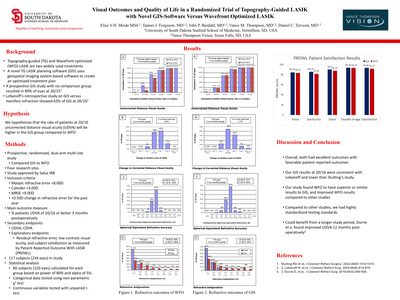
Visual Outcomes and Quality of Life in a Randomized Trial of Topography-Guided LASIK with Novel GIS-Software Versus Wavefront Optimized LASIK
Elise V.H. Meide, Tanner J. Ferguson, John P. Berdahl, Vance M. Thompson, and Daniel C. Terveen
Visual Acuity and Quality of Life Results in a Randomized Trial of Topography-Guided with GIS-Software Versus Wavefront Optimized LASIK
Elise V.H. Meide, MD | Daniel C. Terveen, MD
Purpose: To compare post-operative visual acuity, refractive outcomes and patient-reported visual quality of life between topography-guided (TG) laser-assisted in situ keratomileusis (LASIK) with novel geographic imaging system (GIS) based software versus wavefront-optimized (WFO) LASIK. Main outcome measures included the rate of patients with uncorrected distance visual acuity (UDVA) of 20/16 or better 3 months post-operatively. Secondary and exploratory endpoints include best corrected visual acuity (BCVA), residual refractive error, low contrast visual acuity, percent of patients with post-op UDVA equal or better to pre-op corrected distance visual acuity (CDVA) and subject satisfaction as measured by Patient Reported Outcome With LASIK questionnaire.
Methods: This was a prospective, multicenter, dual-arm randomized clinical trial. 117 eligible, bilateral LASIK subjects were randomized 1:1 to bilateral TG using GIS surgical planning software or WFO using the Wavelight EX500 excimer laser. Patients and technicians assessing patients were blinded. The 32-question PROWL visual questionnaire was administered at the pre-operative appointment and 3 months postoperatively; each response was transformed linearly to a score with a range of 0-100.
Results: 117 subjects (234 eyes) were enrolled. For monocular UDVA, 29% of WFO achieved 20/12.5 and 74.6% 20/16 or better versus 18% (p=0.05) and 67% of GIS eyes (p=0.29), respectively. For MRSE, the % of eyes within ±0.50 D of plano was 97% in WFO and 91% in GIS (p=0.09). WFO had 14% of eyes gain 2 lines of CDVA versus 7% (p=0.09) in the GIS group. Overall satisfaction was similar between groups (93.66, 91.77, p=0.18) but there was increased satisfaction as it relates to magnitude of starbursts in GIS (85.74 GIS, 81.62 WFO, p=0.03).
Conclusions: WFO demonstrated significantly higher rates of 20/12.5 UDVA but achieved similar rates of 20/16 UDVA and slightly superior refractive outcomes compared to GIS. Overall, visual and refractive outcomes were favorable in both groups. Both groups had high patient satisfaction with the category of starbursts significantly higher in the GIS group.
-
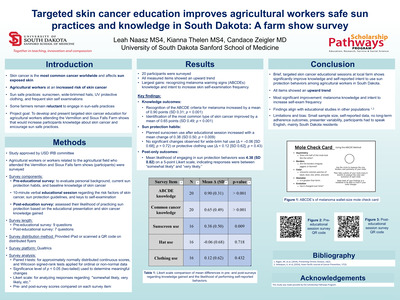
Targeted Skin Cancer Education Improves Agricultural Workers' Safe Sun Practices and Knowledge in South Dakota: A Farm Show Survey
Leah Naasz, Kianna Thelen, and Candace Zeigler
Targeted Skin Cancer Education Improves Agricultural Workers' Safe Sun Practices and Knowledge in South Dakota: A Farm Show Survey
Leah Naasz, MD | Candace Zeigler, MD
Background: Agricultural workers are at increased risk for skin cancer due to prolonged ultraviolet (UV) exposure, yet many underutilize sun protection. Brief, community-based educational interventions may improve knowledge and preventive behaviors.
Objective: To provide a targeted skin cancer educational session to increase awareness and promote sun protection behaviors among agricultural workers in South Dakota.
Methods: Twenty agricultural workers attending the Vermillion and Sioux Falls Farm Shows participated in a pre- and post-educational survey. Inclusion criteria included: ≥18 years old, English-speaking, and working in agriculture. Participants completed a seven-question pre-survey assessing sun exposure, sun protection habits, and knowledge of skin cancer. They then received a 10-minute tutorial on skin cancer risk factors, sun protection, and self-examinations. A post-survey assessed knowledge gained and intended behavior changes. Paired t-tests and Wilcoxon signed-rank tests evaluated pre- to post-intervention changes, with significance set at p < 0.05.
Results: Post-intervention, participants showed significant improvements in recognizing melanoma warning signs (mean Δ = 0.90; p < 0.001) and identifying the most common type of skin cancer (mean Δ = 0.65; p < 0.001). Intent to use sunscreen increased significantly (mean Δ = 0.38; p = 0.009), though no meaningful changes were observed for wide-brim hat or protective clothing use. Participants reported a high likelihood of engaging in sun protection behaviors (mean 4.38/5).
Conclusion: Brief, targeted educational sessions at farm shows effectively increased skin cancer awareness and self-reported intent to adopt sun-protective behaviors among South Dakota agricultural workers.
-
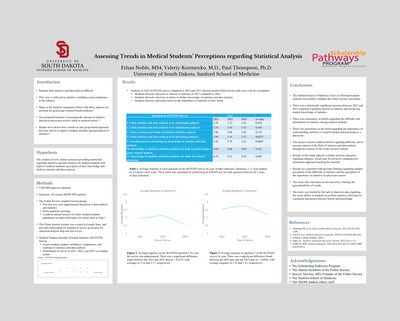
Assessing Trends in Medical Students’ Perceptions Regarding Statistical Analysis
Ethan Noble, Valeriy Kozmenko, and Paul Thompson
Assessing Trends in Medical Students’ Perceptions Regarding Data Analysis and Statistics Knowledge and Skills
Ethan Noble, MD | Mentors: Valeriy Kozmenko, MD, Paul Thompson, PhD
Introduction: The use of evidence-based medicine requires that physicians are able to properly analyze and interpret the results of new research. The development of new research and medical knowledge is swift, and a strong foundation in statistics and research is needed for physicians and medical students to keep up with new research. Curriculum in medical education often lacks in-depth coverage of the subject, and additional curriculum has been shown to enhance student confidence and ability to critically analyze research. Studies have found that group-based and hands-on learning experiences lead to improved attitudes and confidence in statistics. The Fisher Society is an advanced statistics interest group created to provide additional opportunities for students to learn and apply statistical skills. The creation of a new online resource providing instruction regarding statistics and data analysis for medical students will increase knowledge and skills in statistics and data analysis while allowing students to work through problems at their own pace and schedule.
Methods: A website was created to further the goals of the Fisher Society, which is an advanced statistics interest group. The website contained informational videos that instructed students on how to perform statistical analysis as well as background information on the tests. The Fisher Society provided meetings, in-person and online, to practice performing statistical tests with instructor feedback and in a group setting. The Medical Students’ Attitude towards Statistics (M-STATS) survey was sent to all Sanford School of Medicine students, as the results of the survey were compared to scores from previous years to analyze changes in student confidence in statistics knowledge and skills.
Results: The class of 2026 had several students successfully complete the Fisher Society curriculum. The Fisher Society website was created and will remain available to students in future classes. Data analysis revealed a statistically significant decrease in interest regarding statistics (p=0.015) and furthering statistical knowledge (p = 0.004) between 2022 and 2025. There was persistence in the student belief that statistics will be important to their future practice as a physician (p = 0.402).
Conclusions: Overall, medical student beliefs regarding statistics and data analysis have appeared to remain stable over the last several years, except for a decreased interest in learning the subject. Statistics continues to be regarded as an important aspect of medical education by students and institutions, and competence in the subject is a vital part of medical practice as it allows physicians to properly interpret the vast amounts of new medical research being produced. By creating new approaches to statistics and changing how statistics are taught, medical institutions may be able to improve medical student confidence and practical abilities regarding statistics.
-
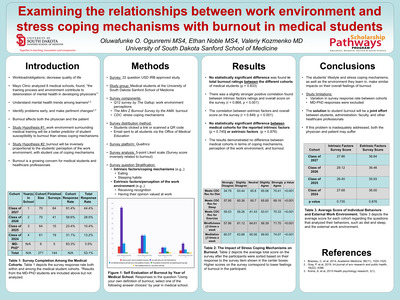
Examining the Relationships Between Work Environment and Stress Coping Mechanisms With Burnout in Medical Students
Oluwafunke O. Ogunremi, Valeriy Kozmenko, and Ethan Noble
Examining the relationships between work environment and stress coping mechanisms with burnout in medical students
Oluwafunke Ogunremi, MS4
Mentor: Valeriy Kozmenko, MD
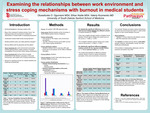
Introduction: Throughout the duration of medical training, learners are oftentimes overworked and faced with high levels of stress and pressure; this can decrease quality of life for many individuals.The goal of this study was to gain an understanding of how work environments and stress coping mechanisms play a role in the amount of burnout experienced by medical students. Burnout as defined by the Maslach’s Model, focuses on 3 key aspects: emotional exhaustion, depersonalization, and reduced personal accomplishments. Here, the authors focus on analyzing emotional exhaustion and reduced personal accomplishments.
Methods: This IRB approved study collected data from medical students at the University of South Dakota Sanford School of Medicine by using a 22 question Qualtrics survey. The Q12 survey by Gallup, Inc. was used to evaluate work environment perceptions, a question from the Mini Z Burnout Survey by the AMA was used to evaluate burnout, and a few questions pertaining to the CDC’s recommendations for healthy living were used to evaluate general stress coping mechanisms. A 5-point Likert scale was utilized for the survey questions. The survey remained open until at least a 50% response rate was achieved from the student body. The results of the survey were analyzed by using 2-sample t-tests and ANOVA tests as appropriate. The score on the survey was inversely related to burnout, so higher survey scores correlated to lower feelings of burnout.
Results: The questions were grouped according to intrinsic factors/coping mechanisms, such as eating and sleeping habits, and extrinsic factors/perception of the work environment, such as receiving recognition or having their opinion valued at work. There was a slightly stronger positive correlation found between intrinsic factors ratings and overall score on the survey (r = 0.868, p < 0.001) compared to the correlation between extrinsic factors and overall score on the survey (r = 0.849, p < 0.001). There was no significant difference between medical cohorts for the reported intrinsic factors (p = 0.745) or extrinsic factors (p = 0.876). Students who had healthier behaviors, such as following CDC recommendations or practicing meditation and mindfulness, had lower levels of burnout compared to those who did not.
Conclusion: Some medical students may recognize when they are burning out, so providing resources to help them incorporate healthier behaviors into their lifestyles may help aid burnout recovery. Finding effective ways to help students deal with stressors and develop coping mechanisms improves their own quality of life and can hence improve patient outcomes.
-
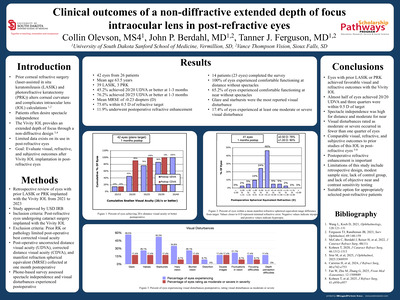
Clinical Outcomes of a Non-Diffractive Extended Depth of Focus Intraocular Lens in Post-Refractive Eyes
Collin Olevson, John P. Berdahl, and Tanner J. Ferguson
Clinical outcomes of a non-diffractive extended depth of focus intraocular lens in post-refractive eyes
Collin Olevson, MD1 | John Berdahl, MD1,2 and Tanner Ferguson, MD1,2
1University of South Dakota Sanford School of Medicine, Vermillion, SD
2Vance Thompson Vision, Sioux Falls, SD
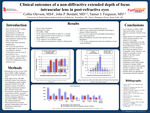
Introduction: Eyes with prior corneal refractive surgery (i.e laser-assisted in situ keratomileusis (LASIK) and photorefractive keratectomy (PRK)) pose challenges during cataract surgery due to altered corneal curvature. The AcrySof IQ Vivity intraocular lens (IOL) is a non-diffractive extended depth-of-focus (EDOF) IOL designed to provide a broader range of vision. Limited data exists on its performance in post-refractive eyes. This study evaluates visual, refractive, visual disturbances, and spectacle independence outcomes in eyes with previous LASIK or PRK implanted with the Vivity IOL following cataract surgery.
Methods: A retrospective review of eyes with a history of LASIK or PRK implanted with the Vivity IOL were included. Eyes with limited best corrected visual acuity post-operative were excluded. The study was approved by the University of South Dakota IRB. Postoperative uncorrected distance visual acuity (UDVA) and manifest refraction spherical equivalent (MRSE) at one month were collected. A phone-based survey assessed spectacle independence and visual disturbances. Primary outcomes included the proportion of eyes achieving 20/20 and 20/25 uncorrected distance visual acuity, the percentage within 0.5 diopters (D) of the refractive target, reported spectacle independence at distance, intermediate, and near, and the frequency and severity of visual disturbances.
Results: 42 eyes from 26 patients were included. Mean age was 63.5 years. 39 eyes had previous history of LASIK and 3 had history of PRK as primary refractive surgery. For eyes targeted emmetropic 45.2% achieved 20/20 or better and 76.2% achieved 20/25 or better UDVA. Mean MRSE was -0.23 D. 75.6% of eyes were within 0.5 D of refractive target. 11.9% of eyes underwent PRK enhancement following cataract surgery.
23 eyes from 14 patients responded to the survey. 100% of eyes experienced comfortable functioning all or most of the time without spectacles for distance vision and 65.2% of eyes experienced comfortable functioning all or most of the time without spectacles for near vision. 17.4% of eyes experienced one or more visual disturbance rated as moderate or severe.
Conclusion: Eyes with prior corneal refractive surgery achieved moderately successful visual and refractive outcomes with the Vivity IOL. In nearly half of the eyes UDVA was 20/20 or better and in three quarters of eyes refractive predictability within 0.5 D was achieved. Spectacle independence was high and bothersome visual disturbances occurred in less than one quarter of eyes. These findings suggest that non-diffractive EDOF IOLs can be a good option for appropriately selected patients with history of corneal refractive surgery.
-
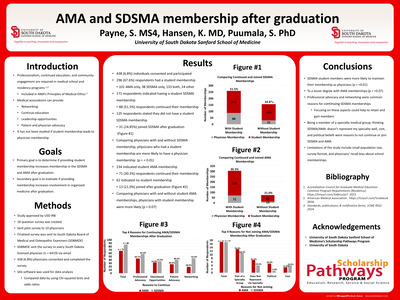
AMA and SDSMA Membership After Graduation
Sydney Payne, Keith Hansen, and Susan Puumala
AMA and SDSMA Membership After Graduation
Sydney Payne, MD | Keith Hansen, MD | Susan Puumala, PhD
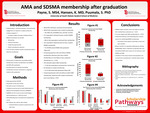
Introduction: One way to foster collaboration, community engagement, and continuing education is for medical students to participate in medical associations. At the University of South Dakota Sanford School of Medicine, medical students are provided with memberships to the South Dakota State Medical Association (SDSMA) and American Medical Association (AMA). In this study, the primary goal is to determine if student membership increases membership in the SDSMA and AMA after graduation.
Methods: This project received approval from the University of South Dakota IRB. An 18-question survey was emailed by the South Dakota Board of Medical and Osteopathic Examiners (SDBMOE) to every South Dakota licensed physician (n = 6419). The survey included questions about membership in AMA, SDMA, and other medical organizations.
Results: In total, 438 (6.8%) physicians consented and participated. Overall, 296 (67.6%) indicated membership in a medical association in medical school; 101 only AMA, 38 only SDSMA, 133 both, and 24 only other. For the 234 with a student AMA membership, 71 (30.3%) continued; of the 171 with a student SDSMA membership, 88 (51.5%) continued. Comparing those with and without a student AMA membership, 21.0% without joined after graduation and 30.3% with continued (p = 0.07); for SDSMA memberships, 28.5% without joined after graduation, while 51.5% of those with continued (p = < 0.01). Common reasons for maintaining memberships included professional advocacy (n = 44) and educational opportunities (n = 32), for AMA and professional advocacy (n = 58) and networking (n = 45), for SDSMA. Common reasons for not joining after graduation include being part of a specialty medical group (n = 13) and AMA does not represent my specialty well (n = 7), for AMA, and being part of a specialty medical group (n = 11) and SDSMA does not represent my specialty well (n = 4), for SDSMA.
Conclusion: Those who were members of SDSMA as students were more likely to maintain their membership. This difference was less pronounced for AMA membership. Professional advocacy and networking were common reasons for maintaining SDSMA membership. Common reasons for not joining AMA and SDSMA memberships were feeling their specialty was not represented and being a member of a specialty medical group.
-
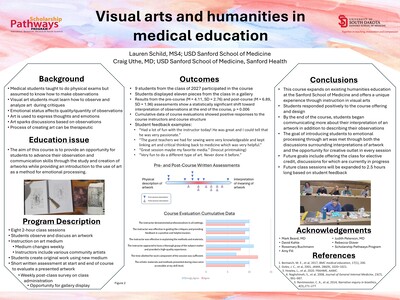
Visual Arts and Humanities in Medical Education
Lauren Schild and Craig Uthe
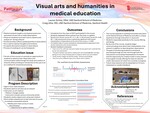
Introduction: In medicine today, physicians are expected to be impartial, emotionally intelligent, and have the observational skills to pick up on and interpret ambiguous body language, skin changes, and hygiene factors which may aid in a diagnosis. However, medical students are often not directly taught these observational or emotional intelligence skills. Art has historically been used by the artist to express thoughts and emotions for themselves and to allow viewers to explore their own feelings. The aim of this course is to provide an opportunity for students to advance their observation and communication skills through the study and creation of artworks while providing an introduction to the use of art as a method for emotional processing.
Methods: The class consisted of eight two-hour sessions during which students had the opportunity to evaluate and discuss an artwork individually and as a class, and the opportunity to experience creating works using a variety of mediums. A short pre/post-course written assessment in which students evaluate an artwork was used to track changes in observational analyses, and weekly post-session surveys were used to assess the administration each session. Subjective data from the written assessments were qualitatively analyzed on a scale from mostly physical descriptions of the artwork to mostly interpretations of observations.
Outcomes: A pre-course and post-course written assessment were obtained from all nine participants in the first year of the course. Responses were assigned a score from one to ten, with one representing a purely physical description of the artwork and ten representing a purely interpretive description. The results from the pre-course (M = 4.11, SD = 2.76) and post-course (M = 6.89, SD = 1.96) show a statistically significant shift toward interpretation of observations at the end of the course, p = 0.006. Student evaluations of the course were also obtained during both the first and second years of the course and responses to questions of time management, quality of instruction, and quality of instructors ranged from “agree” to “strongly agree”.
Conclusions: This course expands on existing humanities education at the Sanford School of Medicine and offers a unique experience through instruction in visual arts. Overall, students responded positively to the course offering and design and the goal of introducing students to emotional processing through art was met through both the discussions surrounding interpretations of artwork and the opportunity for creative outlet in every session. By the end of the course, students began communicating more about their interpretation of an artwork in addition to describing their observations.
-
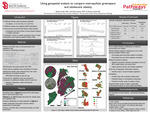
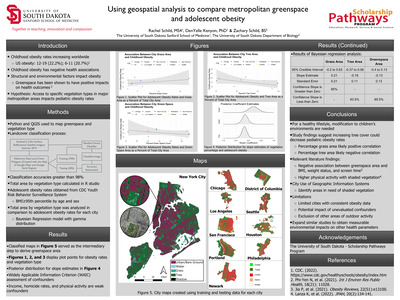
Using Geospatial Analysis to Compare Metropolitan Greenspace and Adolescent Obesity
Rachel Schild, DenYelle Kenyon, and Zachary Schild
Using Geospatial Analysis and Machine Learning to Compare Metropolitan Greenspace and Rates of Adolescents with Obesity
Rachel Schild MD | DenYelle Kenyon PhD
Introduction: Insufficient outdoor activity, influenced by limited access to exercise-friendly greenspaces, may contribute to increasing childhood obesity rates. However, rigorous evaluation of greenspace quality on a citywide scale is lacking. This study aims to characterize greenspace vegetation types and correlate them with adolescent obesity outcomes, identifying optimal characteristics for promoting health. This data could aid city planners in optimizing greenspace allocation and improving vegetation choices.
Methods: Satellite imagery and municipal data were used to map ten cities, classifying urban, water, grass, and tree areas while excluding areas unlikely to be used by children. A Random Forest model was trained for each city and assessed using validation data. Adolescent obesity rates were analyzed in relation to grass, tree, and greenspace percent cover using a Bayesian regression model. Slope and 95% Credible Interval (CI) were calculated. Percent confidence in slope direction was obtained by sampling from the posterior distribution.
Results: Classified maps were created for ten major US cities. For grass, a likely positive correlation is suggested (slope 0.21, CI ‑0.2 to 0.63, 85% confidence slope>0), while greenspace indicates a likely negative correlation (slope -0.13, CI ‑0.4 to 0.13, 85.5% confidence slope< 0) with adolescent obesity rates. Similarly, tree area exhibits a likely negative correlation (slope -0.16, CI ‑0.37 to 0.06, 93.5% confidence slope< 0). Income, safety, and physical activity were assessed as confounding variables; findings do not provide significant explanatory power or improve the model fit, indicating that these are weak confounding variables
Conclusions: Given the rising trend in childhood obesity, alterations to children’s environments are essential for promoting health. The study suggests increasing tree cover may reduce pediatric obesity rates, with negative associations found between percent greenspace and tree area and adolescent obesity rates (85.5 and 93.5% confidence, respectively). Furthermore, a likely positive correlation was found between grass and adolescent obesity (85% confidence). As a result, cities should prioritize using Geographic Information Systems to identify areas needing access to safe green spaces with shade-providing vegetation like trees, potentially lowering adolescent obesity rates and improving citywide health outcomes.
-
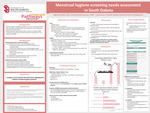
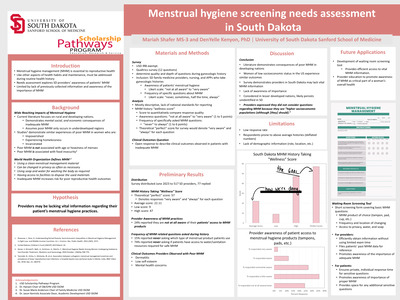
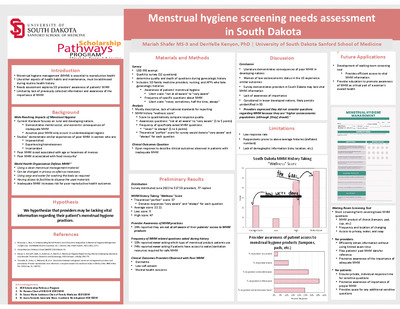
Menstrual Hygiene Screening Needs Assessment in South Dakota
Mariah Shafer and DenYelle Kenyon
Menstrual Hygiene Screening Needs Assessment In South Dakota
Mariah M. Shafer, MD | DenYelle Kenyon Ph.D. Assoc Dean, Community Health and Engagement, MPH Program Director.
Introduction: Menstrual hygiene management (MHM) is essential to women’s reproductive health; literature demonstrates there are mental, social, and economic consequences to inadequate MHM in rural and developing countries. Emerging studies show that US women who are impoverished, experiencing homelessness, or incarcerated also face poor MHM. To understand implications of poor MHM in South Dakota, a largely rural state, a thorough gynecologic health history is essential; this needs assessment explores the scope of MHM questions asked by South Dakota providers.
Methods: This study used survey methodology to determine quality and depth of gynecologic health histories commonly taken regarding hygiene. The electronic survey was sent to local primary care providers and nursing staff via email. The survey records the provider's awareness of their patients' menstrual hygiene and frequency of specific questions asked. The results of this needs assessment led to the development of a waiting room screening tool that would allow providers efficient access to their patients’ MHM information.
Results: Providers’ (N = 70) awareness of MHM in South Dakota varied. The maximum score (57) denotes a respondent who selected “very aware” and “always” for each question. The average score was 22.11; scores ranged from 9 to 47. 24% said they were not at all aware of their patients’ access to MHM products. 74% report never asking their patients if they have access to adequate water and sanitation resources. 15% report never asking their patients which type of hygiene product they use.
Discussion: This needs assessment demonstrates providers lack vital information with the potential to inform patient care. While poor MHM is considered in lesser developed nations, it persists unidentified in populations in South Dakota.
-
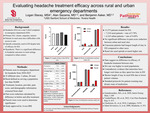
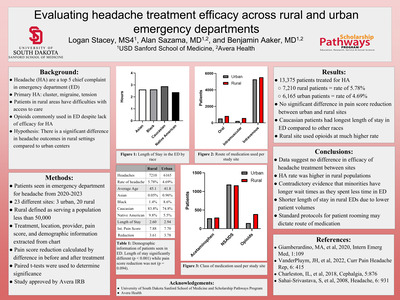
Evaluating Headache Treatment Efficacy Across Rural and Urban Emergency Departments
Logan Stacey, Alan Sazama, and Benjamin Aaker
Evaluating Headache Treatment Efficacy Across Rural and Urban Emergency Departments
Logan Stacey, MD | Alan Sazama, MD, Benjamin Aaker, MD
Introduction: Headaches are a common chief complaint in emergency departments (EDs), with rural patients facing unique challenges such as geographic isolation and limited access to care. This study aims to compare treatment efficacy for this top five ED chief complaints between rural and urban EDs.
Methods: Patients treated for headaches from 2020-2023 were identified using diagnosis codes and electronic health records. Treatment plans and patient demographics were abstracted from identified charts. EDs were categorized as rural (populations under 50,000) or urban. Pain score before and after treatment were acquired and used to calculate pain score reduction. Paired t-tests and chi-square analysis were used to determine significance.
Results: A total of 13,375 patients were included (6,165 urban, 7,210 rural). Pain reduction was similar between urban (3.78) and rural EDs (3.61) (p = 0.094). Urban EDs had longer length of stay (2.95 hours vs. 2.60 hours in rural EDs, p < 0.0001). Medication use varied: opioids were more frequently used in rural EDs (8.3% vs. 3.6%), while NSAIDs and acetaminophen showed similar use across both settings (p< 0.0001). Route of medication was significantly different across EDs (p< 0.0001). Demographics differed slightly with a higher percentage of Native American patients in rural EDs (10% vs. 5.5% urban).
Conclusions: Treatment efficacy for headaches did not differ significantly between urban and rural EDs. Rural patients spent less time in ED, likely due to lower patient volume, and opioid use was higher in rural locations along with use of intramuscular medications.
-
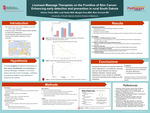
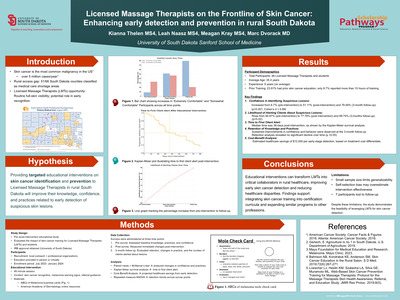
Licensed Massage Therapists on the Frontline of Skin Cancer: Enhancing Early Detection and Prevention in Rural South Dakota
Kianna Thelen, Leah Naasz, Meagan Kray, and Marc Dvorack
Title: Licensed Massage Therapists on the frontlines of skin cancer detection: A pilot educational intervention in rural South Dakota
Authors:
Kianna Thelen, MD | Mentor: Marc Dvoracek, MD
Introduction: Skin cancer is the most common malignancy in the United States. Early detection improves outcomes, yet rural communities face barriers to dermatologic care. Licensed massage therapists (LMTs) are uniquely positioned to observe skin changes during client encounters. This intervention aims to assess the impact of a tailored educational intervention on rural LMTs’ knowledge, confidence, and practices for identifying suspicious skin lesions.
Methods: Between July 2023 and January 2024, 46 LMTs and massage therapy students in South Dakota participated in a 45-minute session delivered in person or virtually. Content included risk factors, the ABCDE framework, and communication strategies. Surveys were administered pre-intervention, post-intervention, and at 3-month follow-up. Analyses included paired t-tests, McNamar’s tests, repeated-measures ANOVA, Kaplan-Meier survival analysis, and cost-benefit modeling.
Results: Prior to training, only 8.7% of participants felt extremely comfortable identifying suspicious lesions. This increased to 51.1% immediately post-intervention and 79.5% at 3 months (p < .001). The likelihood of recommending physician follow-up rose from 60.9% to 77.8% post-intervention and to 89.7% at follow-up (p = .02). Kaplan-Meier analysis revealed a median 10-day interval to the first client alert, with 82.3% of participants notifying at least one client by 3 months. Cost-benefit modeling estimated ~$12,000 saved per early lesion detected.
Conclusions: Educational outreach to rural LMTs significantly improved sustained confidence and proactive client behaviors in skin cancer detection. This scalable, cost-effective model empowers other health care professionals and addresses dermatologic disparities in underserved communities.
-
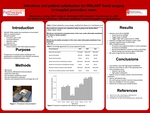
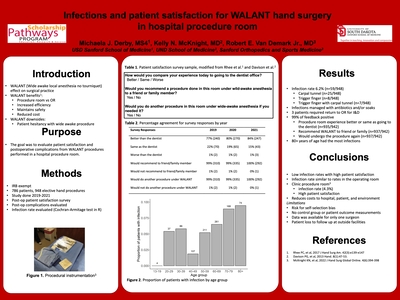
Infections and Patient Satisfaction for WALANT Hand Surgery in Hospital Procedure Room
Michaela Derby, Kelly N. McKnight, and Robert E. Van Demark Jr.
Background: Wide awake hand surgery has allowed many hand procedures to be moved out of the operating room and into minor procedure rooms while increasing efficiency, maintaining safety, and reducing both patient and hospital costs. The goal of this study was to evaluate patient satisfaction and postoperative complications of wide-awake local anesthesia with no tourniquet procedures performed in a community-based hospital procedure room.
Methods: A total of 786 patients underwent 948 elective hand procedures in a hospital procedure room. At the conclusion of their surgeries, the patients were surveyed regarding their satisfaction. Following surgery, patients were evaluated for postoperative complications including infections. The trend in postoperative infection rates across eight age groups was analyzed using a Cochran-Armitage test in R.
Results: The overall infection rate was 6.2% (n=59). All infections were superficial. Carpal tunnel had the highest number of infections (n=25), followed by trigger finger (n=8), and the combination trigger finger with carpal tunnel (n=7). All infections were managed with antibiotics and/or soaks. Three patients did require a return to the operating room for irrigation and debridement. Ninety-nine percent of patients said the procedure room experience was better or the same as going to the dentist, would recommend wide-awake anesthesia to a friend or family member, and would undergo the procedure again.
Conclusion: Wide awake procedures performed in a hospital procedure room have low infection rates with high patient satisfaction.
-
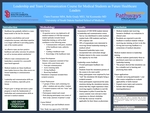
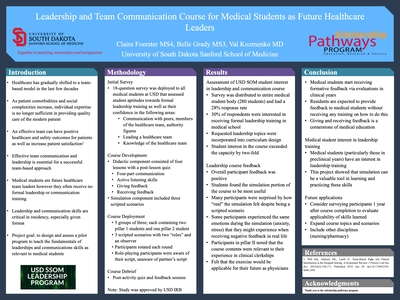
Leadership and Team Communication Course for Medical Students as Future Healthcare Leaders
Claire Foerster
As healthcare increasingly adopts a team-based model to address complex patient needs, the role of physicians as effective team leaders becomes critical. Despite this, formal leadership training is not a standard component of medical school curricula. This study presents the development and evaluation of a pilot leadership and communication course designed for medical students at the University of South Dakota. The course combined didactic instruction with simulation-based learning to teach essential skills such as active listening, giving and receiving feedback, and effective communication. A pre-course survey assessed students’ confidence and needs, informing the course design. Post-course assessments, including quizzes and participant feedback, evaluated knowledge retention and the emotional realism of the simulations. Results indicated strong student interest, particularly among early-year students, and highlighted the value of experiential learning in leadership development. The study underscores the importance of integrating structured leadership training into medical education and suggests directions for future curriculum enhancement and research.
-
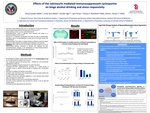
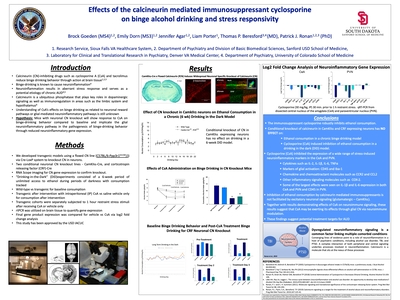
Effects of Calcineurin Mediated Immunosuppressant Cyclosporine on Binge Alcohol Drinking and Stress Responsivity
Brock Goeden, Emily Dorn, Jennifer Agar, Thomas P. Beresford, and Patrick J. Ronan
Stress and neuroinflammation are increasingly recognized as interdependent processes that contribute to the development of psychiatric disorders. This study investigates the bidirectional relationship between stress exposure and neuroimmune activation, focusing on the expression of pro-inflammatory cytokines and behavioral outcomes in rodent models. Using the learned helplessness (LH) paradigm, the authors demonstrate that stress-induced neuroinflammation, particularly elevated IL-1β expression in the hypothalamus, is associated with susceptibility to maladaptive behaviors. The immunosuppressant cyclosporine A (CsA) was shown to attenuate stress-induced expression of neuroinflammatory markers, including IL-1β, IL-6, and CRF. Furthermore, direct intracerebroventricular administration of lipopolysaccharide (LPS), a TLR4 agonist, induced LH-like behavioral deficits in the absence of stress, confirming that neuroinflammation alone can mimic stress-induced behavioral phenotypes. These findings underscore a functional link between stress and neuroinflammatory signaling and suggest that targeting neuroimmune pathways may offer therapeutic potential for stress-related disorders such as depression, PTSD, and alcohol use disorder.
-
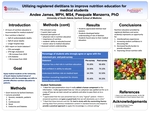
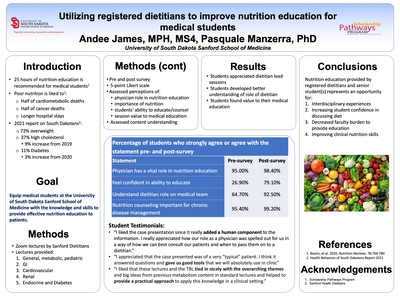
Utilizing Registered Dietitians to Improve Nutrition Education for Medical Students
Andee James and Pasquale Manzerra
Despite the well-established link between nutrition and chronic disease prevention, medical education continues to underemphasize nutrition training. This study explores the impact of integrating registered dietitians (RDs) into pre-clerkship medical education to enhance students’ knowledge, confidence, and perception of nutrition in clinical care. A series of optional, system-based nutrition lectures were delivered by RDs and supplemented by senior medical students who shared real-world clinical case studies. Pre- and post-session surveys assessed students’ confidence in providing dietary counseling, understanding of the physician’s and dietitian’s roles, and the perceived importance of nutrition in disease management. Results showed significant improvements across all metrics, with confidence in counseling rising from 26.9% to 79.1%, and understanding of the dietitian’s role increasing from 64.7% to 92.5%. Student feedback highlighted the value of interdisciplinary teaching and real-world application. This initiative demonstrates that leveraging RDs in medical education can effectively address gaps in nutrition training and better prepare future physicians for holistic patient care.
-
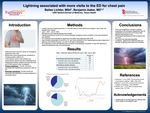
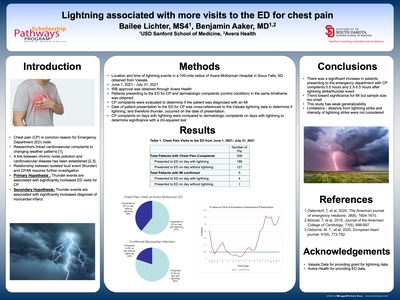
Lightning Assocated with More Visits to the ED for Chest Pain
Bailee Lichter and Benjamin Aaker
This study investigates the potential association between lightning events,used as a proxy for thunder, and increased emergency department (ED) visits for chest pain and myocardial infarction (MI). Electronic medical records from Avera McKennan Hospital were analyzed for chest pain and MI diagnoses between June 1 and July 31, 2021. Lightning data within a 100-mile radius were obtained from Vaisala and cross-referenced with patient presentation times. Statistical analysis revealed a significant increase in chest pain-related ED visits within 0.5 hours and between 2.5 to 5.5 hours following lightning strikes, with p-values ranging from 0.018 to 0.047. Although a trend toward increased MI diagnoses on lightning days was observed, the small sample size limited statistical significance. These findings suggest that acute weather-related noise events may contribute to cardiovascular symptoms, warranting further investigation into environmental stressors and their impact on public health.
-
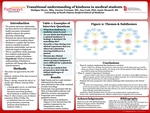
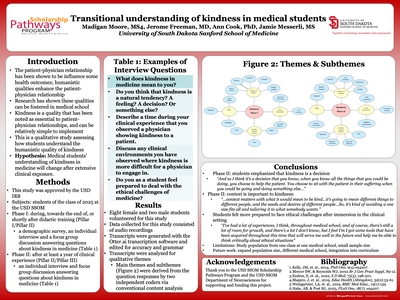
Transitional Understanding of Kindness in Medical Students
Madigan Moore, Jerome Freeman, Ann Cook, and Jamie Messerli
This qualitative study explores how medical students at the University of South Dakota Sanford School of Medicine understand and practice kindness throughout their medical education. Through individual interviews and focus groups conducted in two phases, before and after clinical immersion, the research identifies four central themes: definition of kindness, clinical environments, provider practices, and ethics. Findings reveal that students initially view kindness as an innate trait but increasingly recognize it as a deliberate decision influenced by clinical challenges. Contextual factors such as time constraints, emotional exhaustion, and negative work environments were found to hinder expressions of kindness. Students also noted that ethical preparedness improved significantly after clinical exposure and ethics coursework. The study underscores the importance of integrating kindness and humanitarian values into medical curricula to foster compassionate care and ethical decision-making.
-
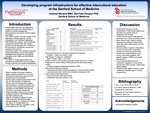
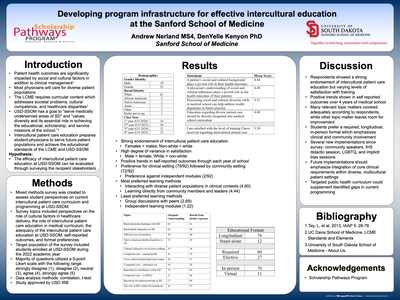
Developing Program Infrastructure for Effective Intercultural Education at the Sanford School of Medicine
Andrew Nerland and DenYelle Kenyon
This study evaluates the intercultural patient care education at the University of South Dakota Sanford School of Medicine (USD-SSOM) through a mixed-methods survey of medical students. The research explores student perspectives on the importance, effectiveness, and preferred formats of intercultural education, with a focus on preparing future physicians to serve diverse and underserved populations. Findings reveal strong student endorsement of intercultural education but mixed satisfaction with current programming, particularly among female and non-white respondents. Students expressed a preference for longitudinal, required, and in-person education delivered in clinical and community settings. Topics such as Native American health disparities, LGBTQ+ care, and the role of Indian Health Services were identified as areas needing greater curricular emphasis. The study highlights the need for curriculum reform aligned with student preferences and suggests integrating public health education and diverse clinical placements to enhance intercultural competency.
-
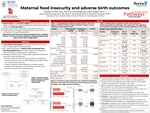
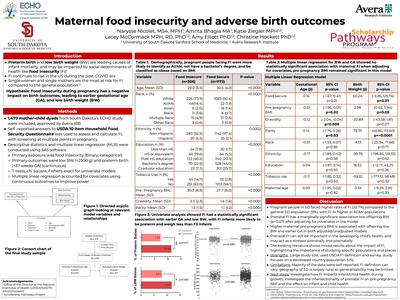
Maternal Food Insecurity and Adverse Birth Outcomes
Narysse Nicolet, Amrita Bhagia, Katie Ziegler, Lacey McCormack, Amy Elliott, and Christine Hockett
Background: Despite being a high-income country, the United States faces persistent food insecurity (FI), disproportionately affecting women of reproductive age. This study investigates the association between prenatal FI and adverse birth outcomes, specifically birth weight (BW) and gestational age (GA), among a diverse cohort of pregnant individuals in South Dakota.
Methods: A longitudinal analysis was conducted using data from 1,478 mother-infant pairs enrolled in the Safe Passage Cohort of the ECHO study. Prenatal FI was assessed using a modified USDA Household Food Security Questionnaire. Birth outcomes were analyzed using both univariate and multivariate regression models, adjusting for maternal sociodemographic and health variables.
Results: Unadjusted analyses revealed statistically significant associations between FI and lower BW and earlier GA. Infants born to food-insecure mothers weighed on average 85 grams less and were more likely to be born preterm. However, after adjusting for covariates, these associations were no longer statistically significant. Higher pre-pregnancy BMI, gravidity, and parity remained significantly associated with adverse birth outcomes.
Conclusion: While prenatal FI showed marginal associations with adverse birth outcomes after adjustment, the findings underscore the importance of addressing FI as a social determinant of health. The study highlights the need for targeted interventions, particularly among American Indian/Alaska Native populations, and calls for further research into the complex interplay between FI, maternal health, and infant outcomes.
The Scholarship Pathways Program is an elective opportunity that was developed to enrich the student experience by promoting rigorous independent scholarship and scholarly excellence at the USD Sanford School of Medicine. Students develop a mentored project with a focus on medical education, bench/translational research, service, or social science.
Printing is not supported at the primary Gallery Thumbnail page. Please first navigate to a specific Image before printing.